
Technical Bulletin TB-012601: Wrong Way Systems Camera Reflections (2024 Systems)
GovComm's technical bulletins are intended to provide updates, clarification, and guidance on the installation and maintenance of our products. They convey relevant product information to our partners and customers. Please contact us if you have any questions about the content of this bulletin.
Originally posted 1/30/2026.
Product Applicability
This bulletin applies to the following wrong way system component(s) purchased in 2024:
- WWVDS Cameras
- GC-THB-6/13
- GC-THB-6/19
- GC-THB-12/25

Background
GovComm has identified a scenario where wrong way systems purchased in 2024 may experience optical reflections during daytime or nighttime operation. These reflections are typically triggered by the headlights or taillights of vehicles traveling in the correct direction of travel (right-way-driving).
|
|
|
|
|
|
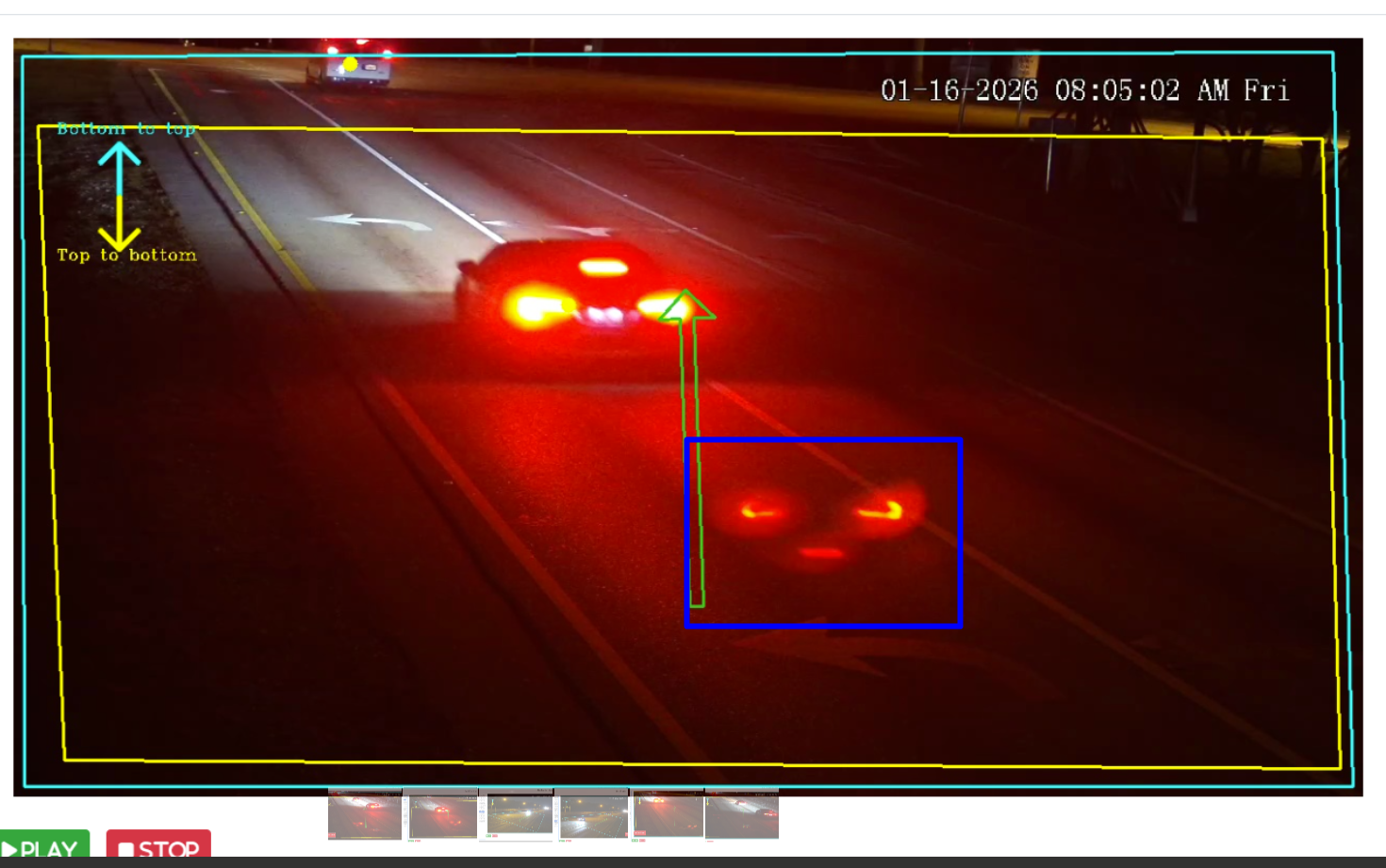
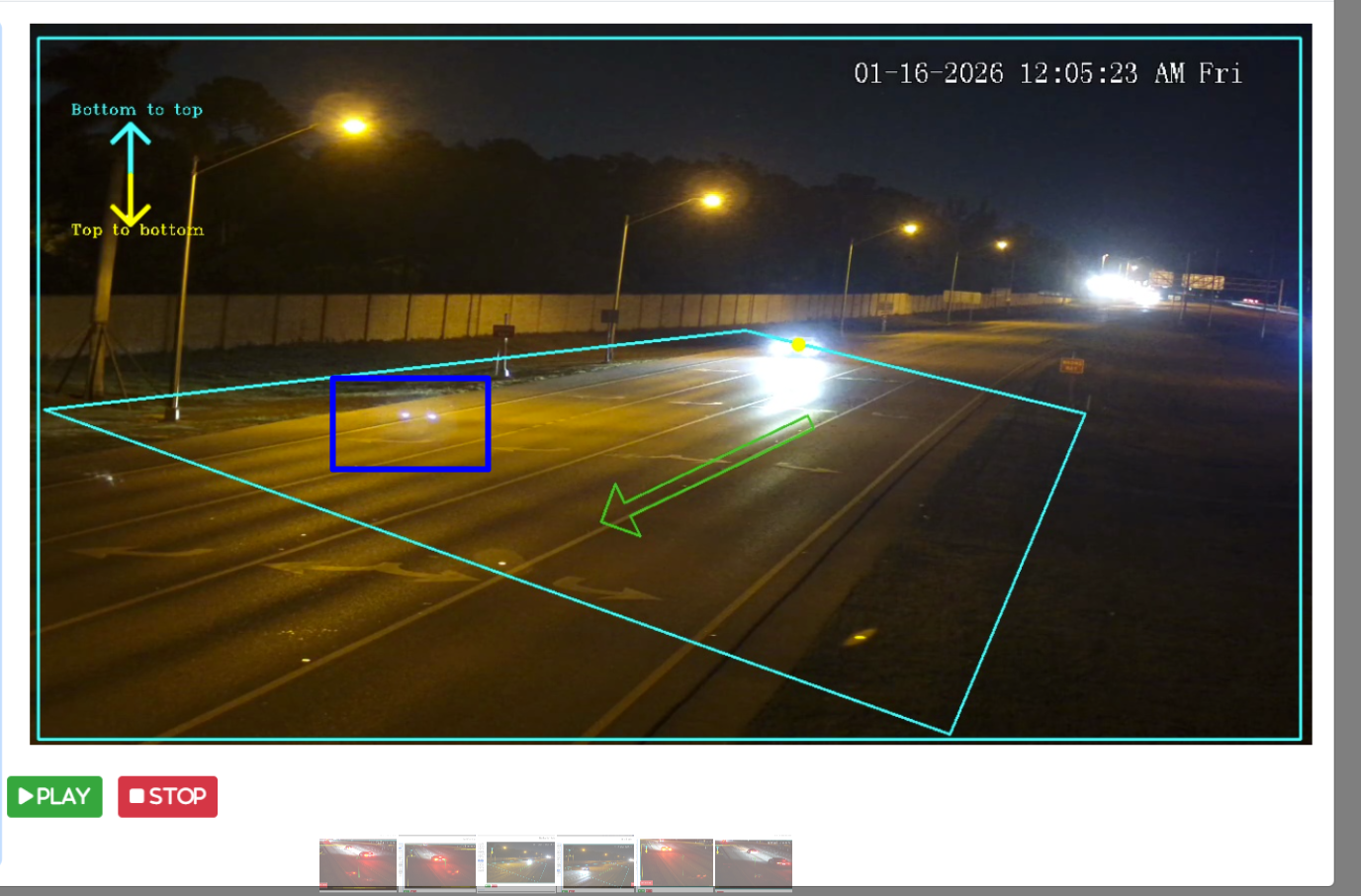
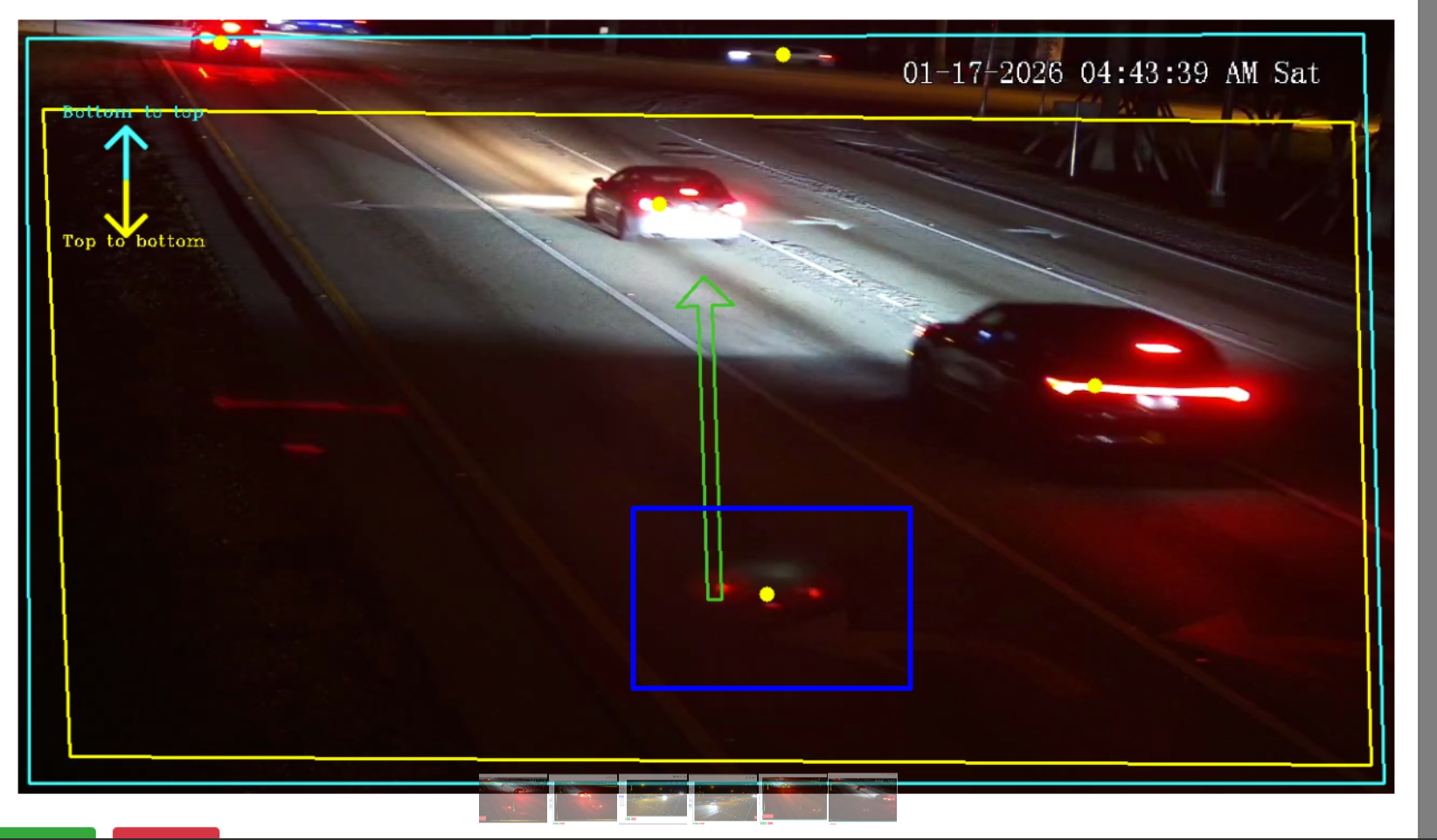
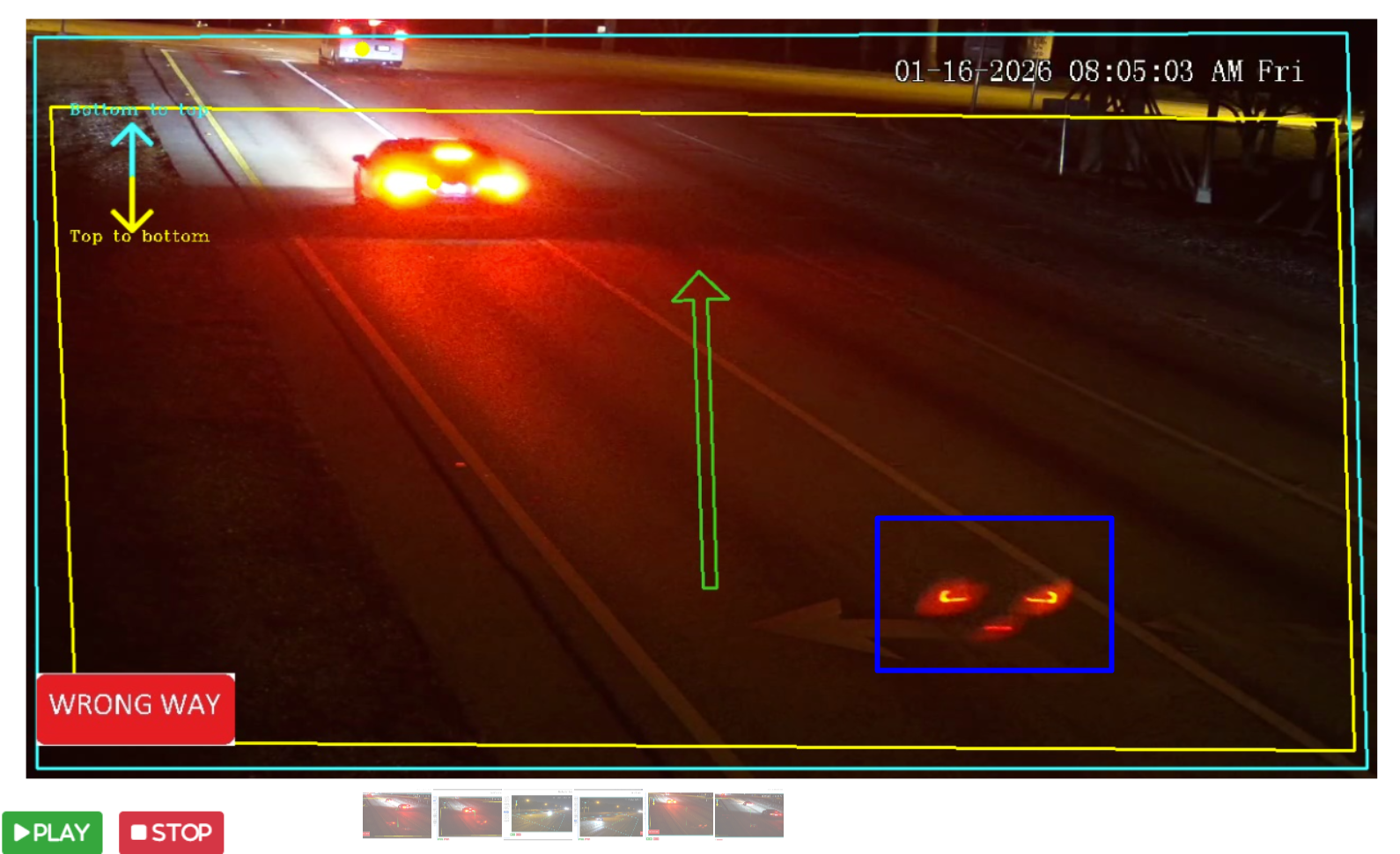
Boxes highlighted in blue above show reflections.
Impact
- False Activations: Reflections may trigger false alerts.
- System Integrity: This issue does not impact the system’s ability to detect wrong-way-driving events. Detection reliability for events remains within operational standards.
Root Cause Assessment
The reflections are attributed to the clear, reflective properties of the external protective sensor cover under certain conditions. These reflections are specific to certain hardware batches integrated into wrong way systems during the 2024 production cycle.
Mitigation & Troubleshooting Procedures
If an installation is experiencing consistent false activations, technicians should perform the following steps in order:
- Stream Configuration: Ensure Fusion Video Streaming is disabled.
- Optical Exposure Adjustment: Access the camera's settings to reduce the optical exposure level. This often dampens the intensity of the light reflections.
- Zone Optimization: Update the system to a multi-point zone configuration. Shift the detection zones to avoid areas where light glare is most concentrated.
- Sensor Prioritization: Determine if the reflection is originating from the optical or thermal stream. While GovComm requires both for standard deployment, you may consider adjusting the detection weight or disabling the optical detection temporarily if the thermal field of view provides adequate coverage for the specific site.
- Camera Re-Aiming: Physically adjust the camera mounting to achieve a broader viewing angle or to tilt the sensor away from direct headlight/taillight glare paths.
- Hardware Evaluation: If the above steps do not mitigate the false activations, GovComm will discuss alternative options.
GovComm technical support representatives are available to walk you through the mitigation processed outlined above. Please contact us here.